Togo
Togo’s history dates back to ancient times, with local tribes producing pottery and processing tin as far back as archaeological finds can indicate.
Here is brief overview
- Ancient Settlements: Between the 11th and 16th centuries, various tribes such as the Ewé, Mina, and Gun entered the region, settling mostly in coastal areas.
- European Arrival: The Portuguese arrived in the late 15th century, followed by other European powers, marking the beginning of European influence in Togo.
- Colonial Era: Togo became a German colony in the late 19th century, known as Togoland. After World War I, it was mandated to Britain and France, with the British portion eventually joining Ghana in 1957.
- Independence: Togo gained independence from France on April 27, 1960, becoming a sovereign nation.
Togo’s rich history reflects its diverse cultural heritage, shaped by both indigenous traditions and European colonial influences.
FESTIVALS:
Togo celebrates various festivals throughout the year, showcasing its rich cultural heritage and diverse traditions. Here are some notable ones:
Agbogbo-Za: A historical festival celebrated by the Ewe people in Notsé, commemorating their exodus in the 17th century. It’s the largest traditional festival of the Ewes in Togo.
- Evala Festival: A famous and energetic festival hosted by the Kabyé people in Kara, typically held in July. It’s a significant event that showcases the country’s history and traditions.
- Hogbeza: A historic festival celebrated by the Ewe people of Yoto, held every third Saturday of August as a religious feast to mark the first fruits of the season.
- Fête du Petit Nouvel An: A warm and community-focused event celebrated by the Kotokoli people in Tchamba, marking the beginning of the new year, usually in January.
- Gbagba: A festival that celebrates traditional African agricultural values, reflecting Togo’s diverse mix of African traditions.
- Epe Ekpe Festival: A festival in Glidji that inaugurates the Mina year.
- Bassar Yam Festival: A harvest celebration that showcases the country’s rich cultural heritage.
- Initiation Rites in the Kabye Mountains: A significant cultural event that highlights the country’s traditions and spiritual beliefs.
These festivals are an integral part of Togolese culture, bringing together people from different regions and ethnic backgrounds to celebrate life, harvests, and spiritual beliefs.
TOURIST ARRTACTIONS
Togo offers a diverse range of tourist attractions that showcase its natural beauty and rich cultural heritage. Here are some top destinations to consider:
The Akodessawa Fetish Market in Lomé, Togo, is the world’s largest voodoo market. This vibrant market is a hub for voodoo practitioners, offering a wide range of fetishes and ritual items.
What to Expect:
- Variety of Fetishes: The market sells various items used in vodun religious practices, including
- Animal Parts: Monkey heads, skulls, dead birds, crocodiles, skins, and other products of dead animals
- Charm Ingredients: Items needed to prepare potent charms or perform rituals
- Vodun Religious Significance: Voodoo, or Vodun, is a form of animalism with over 40 different gods or fetiches, each with their own fetish priest
- Cultural Experience: Visiting the market provides insight into Togo’s rich cultural heritage and spiritual practices
Important Insights:
- Debunking Stereotypes: Locals emphasize that voodoo is not practiced to harm people but rather to heal and do good
- Spiritual Significance: The market is a significant part of Togo’s spiritual practices, showcasing the country’s deep-rooted traditions³ ⁴
If you’re interested in exploring the world of voodoo, Akodessawa Fetish Market is a must-visit destination in Togo.
Nationa- Kéran National Park:
Spanning nearly 2,000 square kilometers, this park is renowned for its dense forests, riparian woodlands, and rare forest elephants. It’s a must-visit for wildlife enthusiasts and nature lovers.
Aneho Beach:
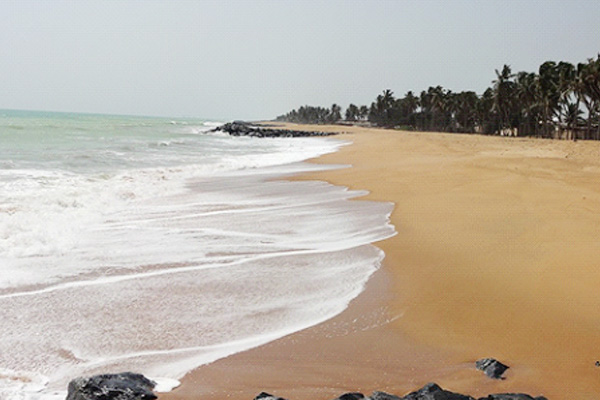
Located about 45 minutes east of Lomé, Aneho Beach is perfect for relaxation seekers, beach enthusiasts, and water sports lovers. Enjoy swimming in the Atlantic, watching local fishing activities, and savoring fresh seafood. Visit between December and March for ideal beach weather.
Cultural Experiences:
Togo is home to various ethnic groups, each with their unique traditions and festivals. Attend local festivals like the Agbogbo-Za, Evala Festival, or Hogbeza to experience the vibrant culture firsthand.
Other Attractions
- Explore the scenic landscapes and villages of Togo’s countryside
- Visit local markets to discover traditional crafts and souvenirs
Whether you’re interested in wildlife, beaches, or cultural experiences, Togo has something to offer. With its rich history and natural beauty, it’s an exciting destination to explore
TOURIST ATRACTIONS