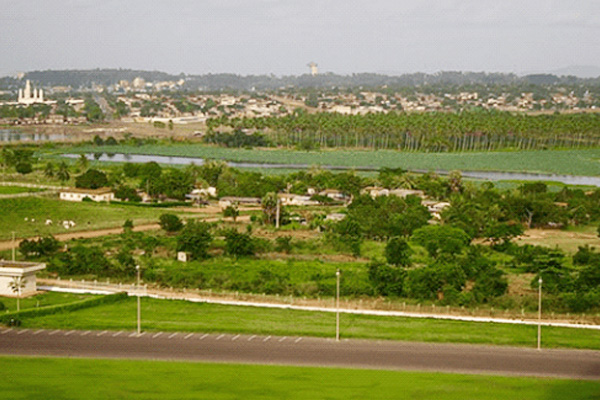
COTE DIVOIRE
A Rich History and Culture
Côte d’Ivoire, also known as the Ivory Coast, has a diverse history dating back to the pre-colonial era. The region was inhabited by various ethnic groups, including the Akan, Kru, and Mandé peoples. The country became a French colony in 1893 and gained independence on August 7, 1960.
Festivals and Celebrations
Côte d’Ivoire celebrates various vibrant festivals throughout the year, including:
Independence Day: Commemorating the country’s independence from French colonial rule
Abissa Festival: Honoring Nyamie, the supreme deity in the Akan culture
Traditional Festivals: Showcasing the country’s rich cultural diversity
Cultural Festivals: Highlighting the country’s artistic and ethnic heritage
TOUTRIST ATTRACTION
Abidjan, the largest city, is best explored using a hired car. Notable locations include Grand Bassam, on the western coast, and Yamoussoukro, known for its basilica.
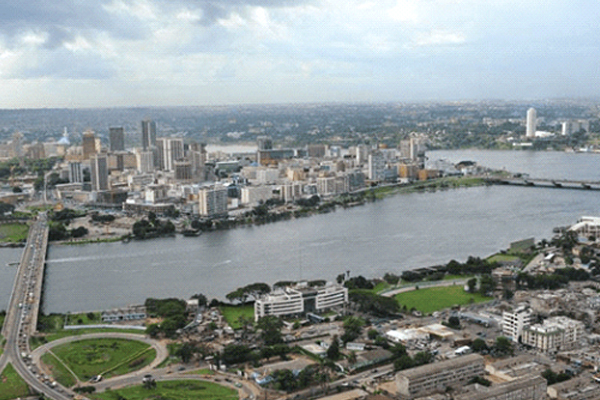
Abidjan is the largest city in Côte d’Ivoire and serves as its economic center. It’s known for its modern business district, cultural attractions, and beautiful beaches. Some popular attractions in Abidjan include:
La Pyramide: A historic site and symbol of the city
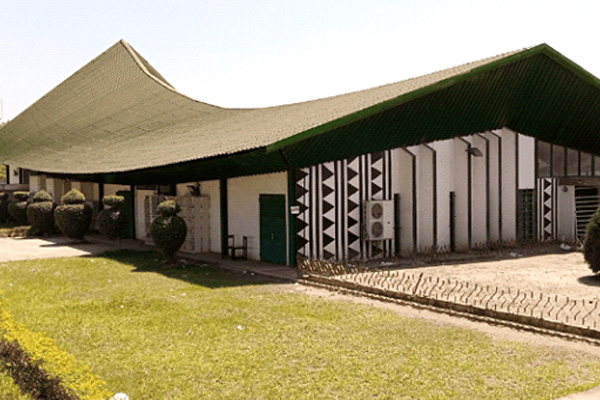
St. Paul’s Cathedral: A beautiful cathedral with a unique design
Musée des Civilisations: A museum showcasing the country’s history and culture
Banco National Park: A protected area with walking paths and picnic areas
Yamoussoukro
Yamoussoukro is the capital city of Côte d’Ivoire and is known for its stunning architecture and historical significance. Some popular attractions in Yamoussoukro include:
- Basilica of Our Lady of Peace: The world’s largest church and a UNESCO World Heritage Site
- The President’s Palace: A historic building and former residence of the country’s president
- Mosque: A beautiful mosque and place of worship
- Yamoussoukro International Airport: A modern airport serving the city
Grand Bassam
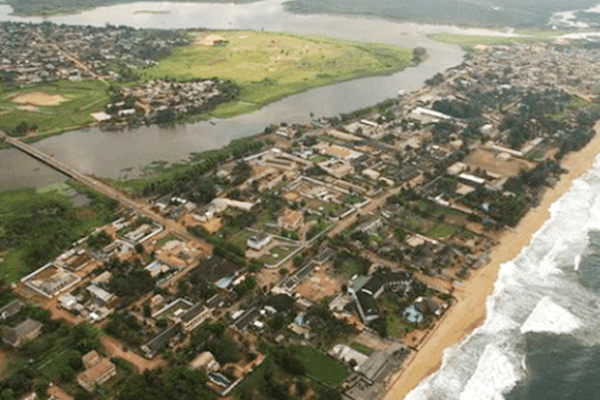
Grand Bassam is a coastal resort town in Côte d’Ivoire and is known for its beautiful beaches, colonial architecture, and cultural significance. Some popular attractions in Grand Bassam include:
- National Museum of Costume: A museum showcasing traditional Ivorian clothing
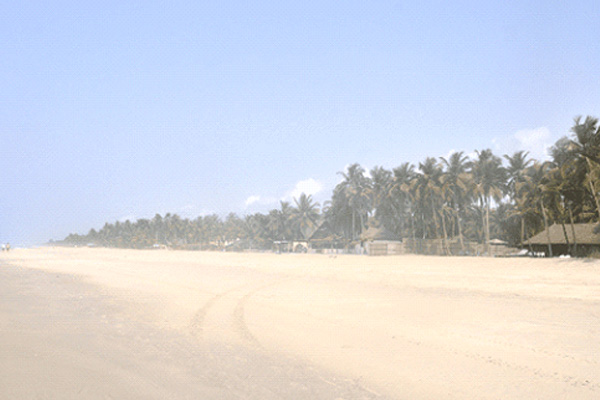
- Grand Bassam Beach: A beautiful beach with palm trees and historic buildings
- Ancien Bassam: The old town with colonial architecture and historic significance
- Nouveau Bassam: The new town with modern buildings and amenities
Comoé National Park
Comoé National Park is a UNESCO World Heritage Site and one of the largest national parks in West Africa. It’s known for its diverse wildlife and ecosystems, including:
- Savannahs: Grasslands with a variety of wildlife
- Rainforests: Dense forests with a range of plant and animal species
- Rivers: The Comoé River runs through the park and supports a variety of aquatic life
- Wildlife: The Park is home to chimpanzees, elephants, and over 280 bird species
Bouaké
Bouaké is a city in central Côte d’Ivoire and is known for its cultural significance and natural beauty. Some popular attractions in Bouaké include:
- Cascades Falls: A beautiful waterfall and popular spot for hiking and relaxation
- Tai National Park: A nearby national park with diverse wildlife and ecosystems
- Local market: A bustling market with traditional crafts and local goods
Assinie-Mafia
Assinie-Mafia is a coastal resort town in southeastern Côte d’Ivoire and is known for its beautiful beaches and waterways. Some popular attractions in Assinie-Mafia include:
- Beach activities: Swimming, sunbathing, and water sports
- Waterways: The town is surrounded by winding waterways and lagoons
- Local crafts: Traditional crafts and souvenirs are available in the town
- Dipi Crocodile Farm: A nearby farm with crocodiles and other wildlife
Mount Nimba Strict Nature Reserve
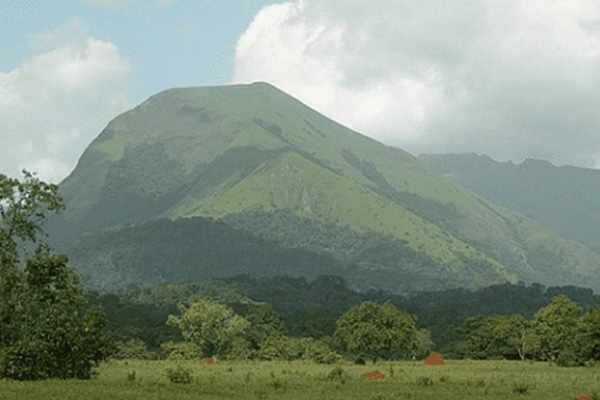
Mount Nimba Strict Nature Reserve is a UNESCO World Heritage Site and a protected area with diverse ecosystems and wildlife. Some notable features of the reserve include:
Mountain peaks: The reserve includes Mount Nimba, which reaches an elevation of 1,752 meters
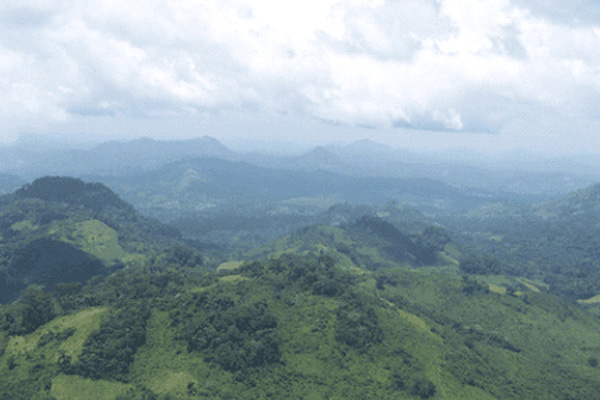
Diverse ecosystems: The reserve includes rainforests, savannahs, and grasslands
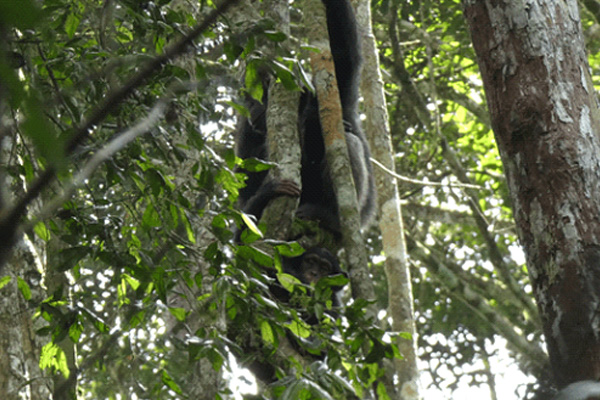
Wildlife: The reserve is home to a range of plant and animal species, including chimpanzees and other primates
Mount Tonkoui
Mount Tonkoui is a mountain in western Côte d’Ivoire and is known for its natural beauty and hiking opportunities. Some popular attractions on Mount Tonkoui include:
- Hiking trails: The mountain offers hiking trails with scenic views and opportunities to spot wildlife
- Waterfall: A 20-meter waterfall is located on the mountain and is surrounded by bamboo groves
- Panoramic views: The mountain offers panoramic views of the surrounding region
The City of Man
The City of Man is a city in western Côte d’Ivoire and is known for its natural beauty and cultural significance. Some popular attractions in the City of Man include:
- La Cascade: A scenic waterfall on the outskirts of the city
- Coffee plantations: The city is surrounded by coffee plantations and offers opportunities to learn about coffee production
- Local crafts: Traditional crafts and souvenirs are available in the city
Tai National Park
Tai National Park is a UNESCO World Heritage Site and a protected area with diverse ecosystems and wildlife. Some notable features of the park include:
- Rainforests: The Park includes dense rainforests with a range of plant and animal species
- Wildlife: The Park is home to chimpanzees, elephants, and other wildlife
- Birdwatching: The Park offers opportunities for birdwatching, with over 280 species recorded
COTE DIVOIRE TOURIST SITES